































































Virtual Concerts, Real Emotions: How Immersive Tech Will Redefine Entertainment


If you ask a music fan what makes going to a concert memorable, he or she will tell you the same things over and over, including: the feeling of energy present, the thrill of watching it live, the rush of being part of the crowd when everyone sings together, and being part of a larger musical community.
For decades, concerts have been organized around a single concept. If you wanted that experience, you had to be present. The only way to feel live music is to be in a seat, in a concert hall, stadium, auditorium, amphitheater, or an indoor arena.
But the world of entertainment is changing. Technology has started to move concerts off the stage and into the digital space. Virtual concerts, online concerts, and shows and platforms that fans stream live concerts on are redefining what it means to attend a concert. The emotional power of live music remains intact, but the limitations of physical space, travel, tickets or access, and payments are disappearing.
This isn’t happening in some far-off future. This is happening now and it is going to unfold much faster than you think.
How Live Concerts Have Changed Over Time
To comprehend the surge in digital concerts, it is useful to examine how live entertainment has transformed:
In the early 20th century, attending a concert meant attending in-person. To hear them in concert, you had to be onsite.
Then came radio and television. It was one’s first time they could watch or listen to a performance from home, but in a one-way, less interactive way.
With YouTube and social platforms, artists began to communicate their live performances globally. Livestreaming became commonplace.
With the pandemic closing down physical venues, online concerts became the only option. Artists began performing through a camera, on virtual stages, and using ticket platforms.
Presently, with virtual reality concerts and immersive technology, we see another shift in live entertainment. This time, the challenge is no longer just to watch a concert remotely, but to feel as if you are consuming the concert.
How VR Concerts Are Changing Everything
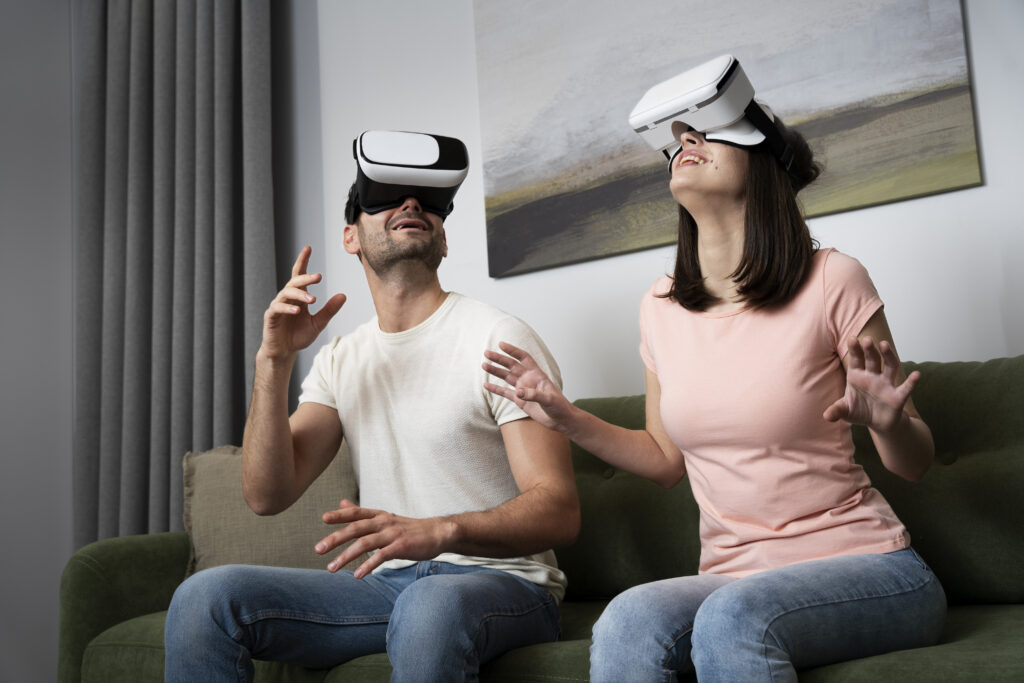
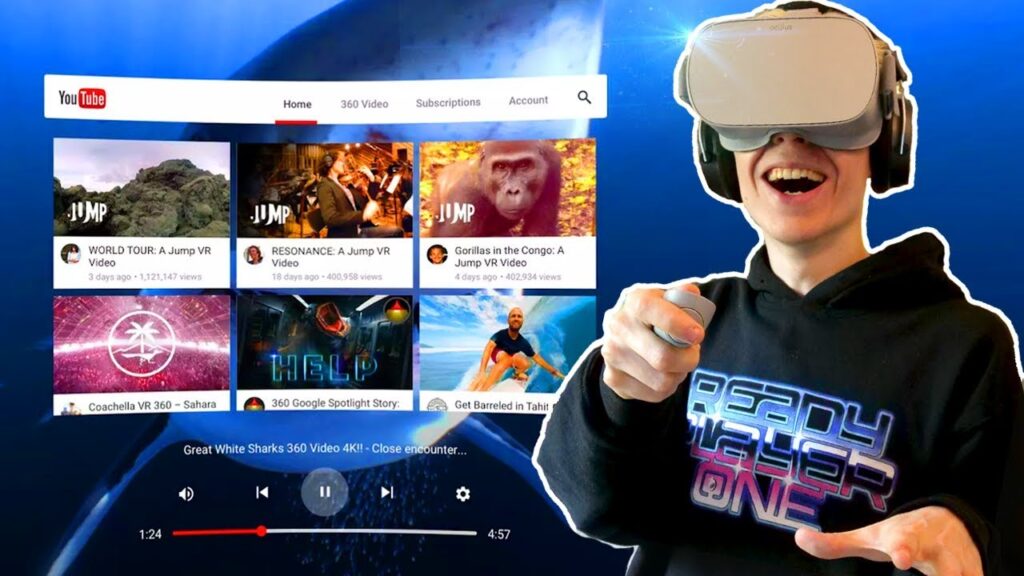
A VR concert is not just a video. Rather, it is a digital space that lets fans be a part of the show as avatars and experience it in the world. If a user wears a VR headset like the Meta Quest or Apple Vision Pro, a user can wander around a virtual concert venue, pick a place near the stage, look around at other fans, and experience the show as if they were standing in a real arena.
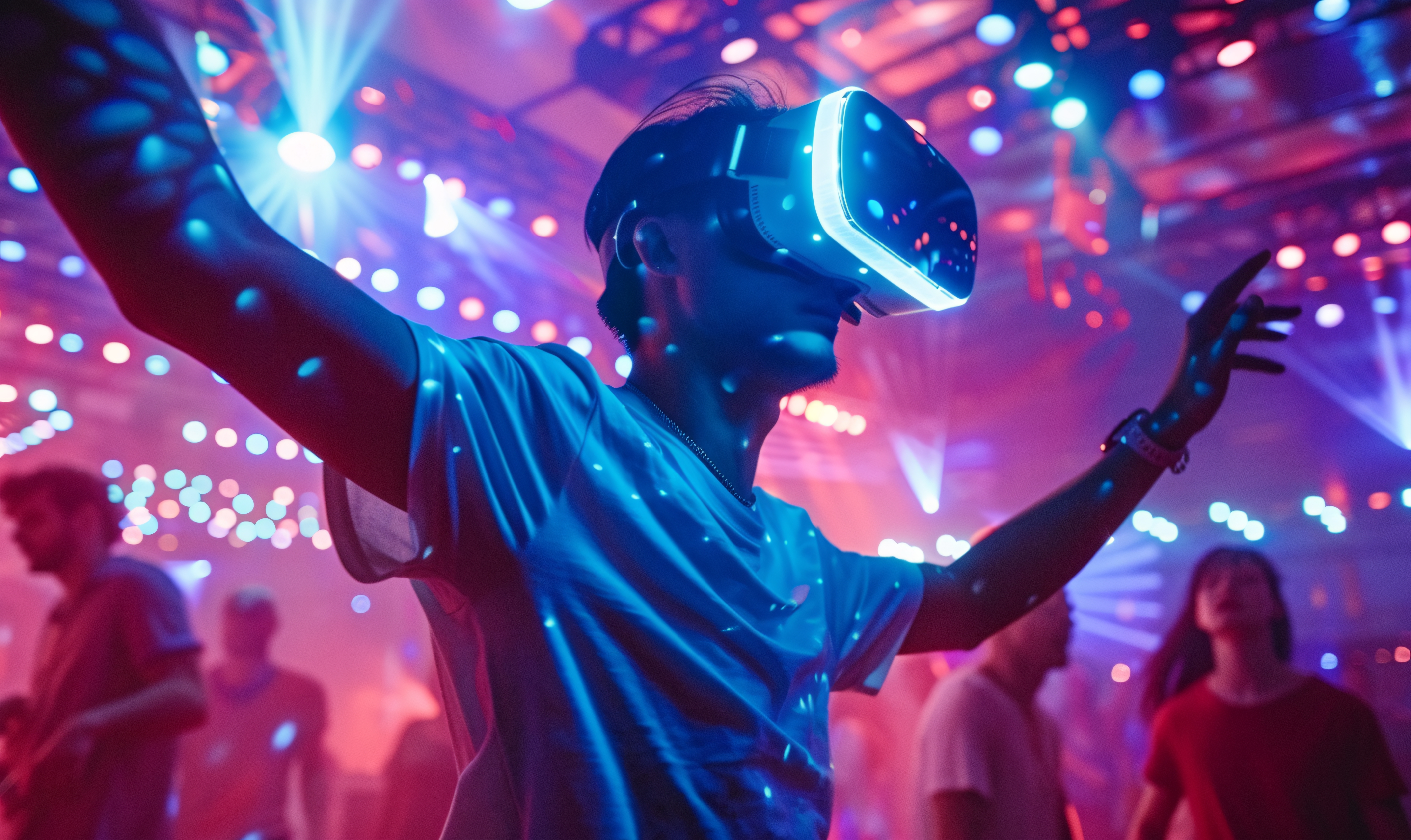
This is already happening. Artists such as Travis Scott, Ariana Grande, BLACKPINK, and Marshmello have performed a VR concert that had millions of views, some of which drew far more fans than any stadium on the planet could hold.
The stage does not have to be realistic. In VR, the concert could be happening in space, or in futuristic cities, or even in spaces that cannot exist in the universe. The fireworks, transitions, special effects, and visual environments can change in seconds. The level of diverging from existing conditions and possibilities on a physical stage and in the real-world is non-existent in VR.
Do Virtual Concerts Create Real Emotions
Many people often wonder if an online concert or VR concert can have the same emotional effect as a live show. Surprisingly, studies suggest that they can. Research on the digital experience and in psychology suggests that if an individual feels the following:
- Connected with others
- Immersion in the environment
- Participating in real time
- A kind of participation
the brain will respond in nearly the same way as if the person is experiencing a physical event.
The immersive concert experience builds on the following:
Presence
Part of what makes a VR experience unique is that you are given the sense that you are actually in a space, and not just viewing or about to view something on a screen.
Social energy
When you see and feel other fans move, clap, cheer, and react, that creates the social dimension of the community.
Sensory experience
3D sound, spatial audio, and visual effects help to stimulate the senses needed to create the illusion that an event is happening.
Player interaction
Fans can move around, wave, clap, and even interact with other audience members. This level of participation creates the mood that the experience is tailored to them, making it feel like it is uniquely theirs.
Why Artists Are Supporting Virtual and Online Concerts
For practical purposes, artists are embracing VR concerts and performance platforms online. These formats mitigate many of the realities of the music industry.
No limitation to capacity
With a physical venue, there is a capacity. A virtual venue can hold millions.
Lower production and touring costs
Artists do not need to have trucks, lights, schedules or a stadium to rent.
People anywhere can attend
No need for a listener in South Africa to coordinate a listener in Canada with the show. They can attend “together” with no passports, flights or tickets needed.
Creative freedom
If an artist wants to perform upside down while flying through the clouds or while standing in the middle of a volcano, they can be animated and designed this way.
New revenue potential
Digital ticketing; virtual merchandise; paid “meet and greets”; exclusive virtual passes; collectibles; artists can earn in ways they could not in live performances.
For most artists, digital concerts are not a replacement for live touring. They complement it as a new way to reach fans.
How Fans Benefit from Virtual and Online Concerts
From the perspective of the audience, digital concerts solve problems that physical shows never will.
No travel
People will no longer have to fly, drive, or spend money on hotel rooms to attend a concert that lasts two hours.
Ticket costs
Many virtual concerts are affordable compared to the price of seats at large stadium shows, making larger events more accessible.
View
Even the standard ticket can place the fan close to the performance.
Accessibility
People who are physically disabled, or live far away, or can’t afford travel to a concert can enjoy the same experiences of the show as everyone else.
Re-watch value
Many online concerts allow fans to watch them again whenever they’d like, which can’t happen at an in-person venue.
This ultimately allows more people to enjoy live music more often without worrying about the logistics.
Different Types of Digital Concert Experiences
Immersive concerts aren’t just one thing; they exist in various formats, like:
VR concerts
Fully immersive experiences with goggles and 3D spaces.
AR concerts
Augmented reality allows the performer to come live into your room through the use of a phone or headset.
Online live-stream concerts
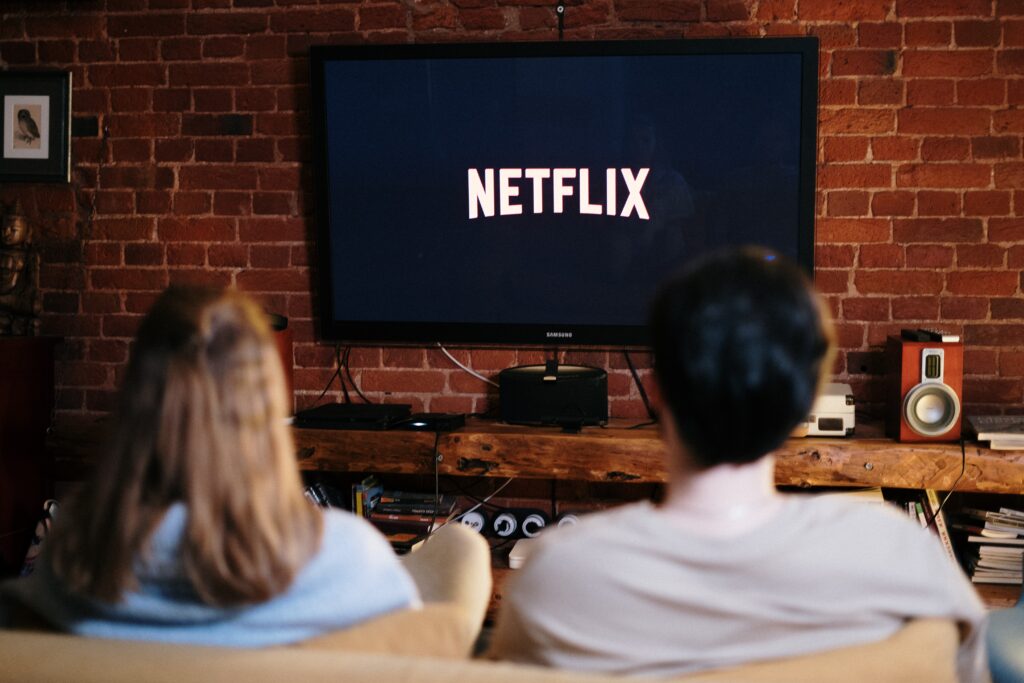
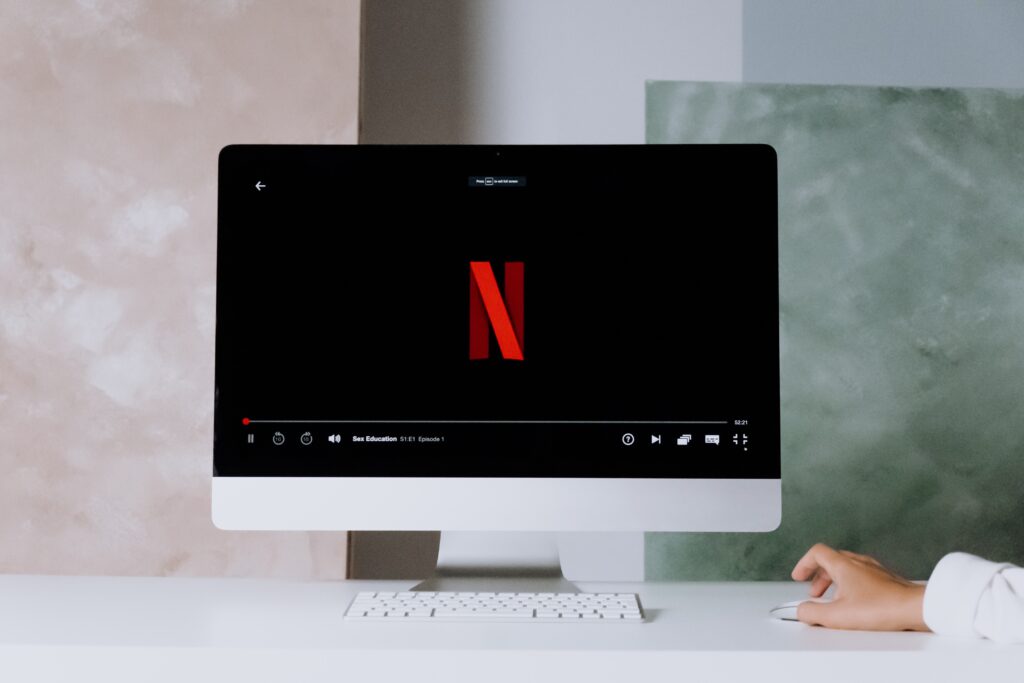
Fans can live-stream concerts on laptops, their phones, and smart TVs without specialized equipment.
Hybrid concerts
A live concert happens on stage, while in the audience, fans are part of the experience and connect online, with added features as well.
Metaverse stages
New platforms for concerts come like Fortnite, Roblox, Decentraland, and Meta Horizon Worlds.
Overall, the concert industry is working toward the content feeling live, interactive, and personal wherever the fan is.
Technology Behind the Transformation
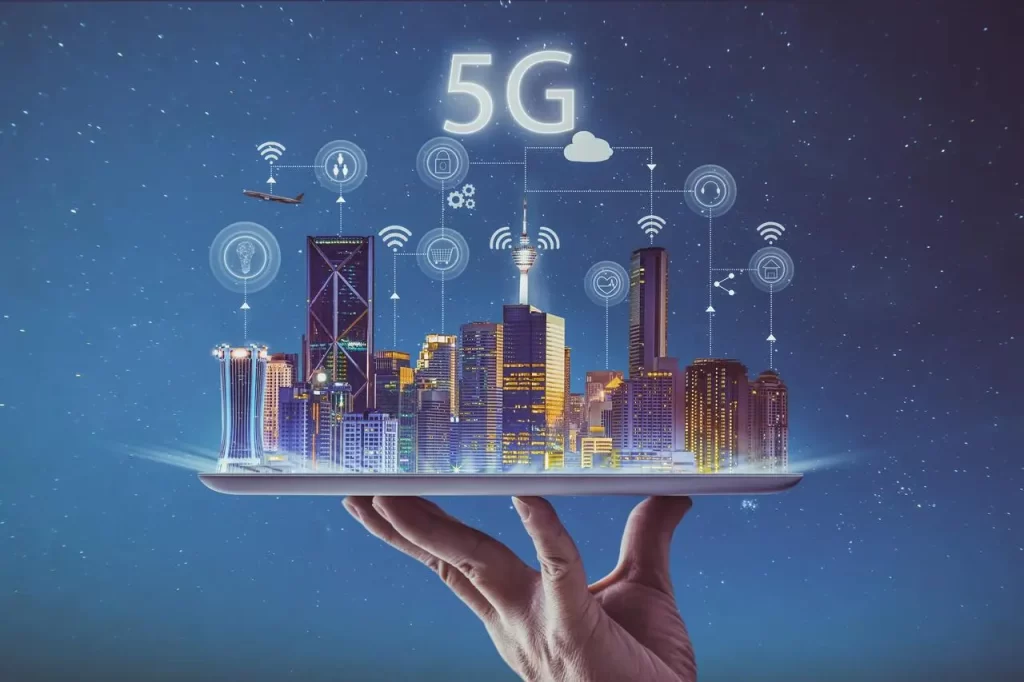
The capacity to broadcast live performances to millions of people simultaneously requires serious technical development. Advancements in:
- 5G
- Low latency live streaming
- Spatial Audio
- Multi-camera switching
- Edge computing
- AI driven quality improvements
All of these are making it possible to relay live performances to audiences instantly without buffering or delays.
As the technology develops, online concerts will become smoother and more lifelike.
What the Next Ten Years Could Look Like
Below are some realistic advancements that we might see in the near decade:
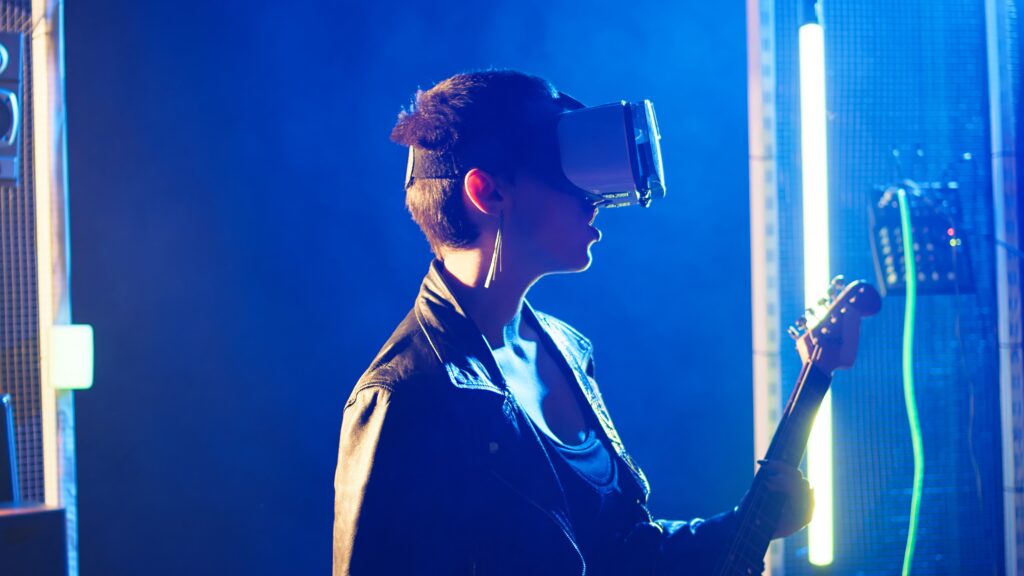
- Fans’ ability to choose different camera angles, including shots from the drummer or the guitarist’s point of view
- Immediate translation of on-stage speech or lyrics into different languages
- AI generated list of songs that adjust to fan preferences
- Fans exploring virtual arenas before the concert is live
- Hologram concerts in the living room
- Purchasing a digital ticket unlocks more experiences in the future
- Fans from different countries enjoying the same concert, engaging visually or socially
Concerts will not just be a given event. They will be an entire world that fans can re-enter and relive.
Final Words
VR and online concerts are not meant to supplant standard real-world shows—they are meant to enhance what’s possible. There will always be nights when fans want to be in stadiums, experiencing the sound through large speakers with a real crowd. And there will always be nights when they will don a headset or open a web browser and watch a world show without leaving their homes.
Both experiences can evoke personal and emotional consequences. Both experiences can create experiences and memories. Both experiences provide what live music has conveyed for decades, a genuine human emotion and a legitimate connection to humans.
And for fans and artists, the experience to come is bigger, more accessible, and more emotional than ever before.