







































































































































































































Smart Homes, Smarter Lives: How AI is Transforming Everyday Living in 2025


Technology continues to evolve at an unprecedented rate, transforming our houses from connected to intelligent homes. Artificial Intelligence (AI) is fuelling the concept of smart home automation, which is a collection of ordinary devices that think, learn and make decisions.
What was once an aspiration and futuristic concept is now an accepted part of daily life. From automatic lighting and temperature control to understanding daily routines and even improving safety, AI in our smart suites is enabling us to simply and efficiently live better.
As IoT and connected devices become more trusted, the market and applications are growing quickly, as is the case in India where economic factors of lower pricing and improved internet connectivity are fuelling IoT device usage.
The ability for smart homes to process and respond to these AI-related functions using IoT will build homes that know more about humans than humans do.
The New Face of Home Automation
Previously, smart homes were limited to a collection of devices that could be controlled from a smartphone. In 2025, AI home automation has changed everything. Homes don’t wait for commands anymore; they proactively take action based on patterns and habits.
For example, think about waking up and your home already knows what to do. The lights will slowly brighten, the geyser will turn on, the curtains will open, and the coffee machine will begin making your morning coffee—all without you saying anything.
This shift is possible only because AI systems now have the ability to understand how people live. They learn based on behavior, recognize patterns, detect shifts in the weather, and anticipate what someone might need at any moment. Rather than simply telling a device what to do, the system works seamlessly in the background to make life easier.
Voice Assistants Have Become Home Managers
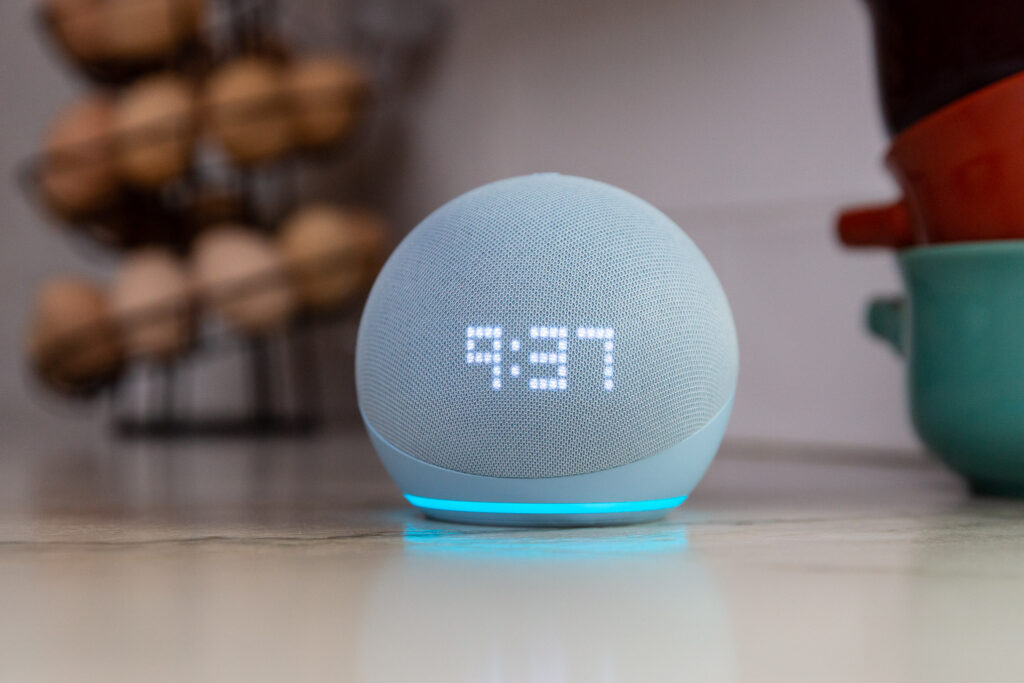
Voice assistants like Google Assistant, Amazon Alexa, and Apple Siri have developed well beyond simply answering questions. They’re helping manage daily schedules, controlling smart home and Internet of Things (IoT) devices, reminding users to buy groceries, controlling entertainment systems, and contributing to everyday routines.
In India one of the key developments is supporting regional languages which has helped make voice assistants easier to adopt for families and seniors. Users can now interact in the language they know, enabling more natural and personal experiences with their home AI devices.
Voice assistants are becoming the control center for all connected devices with the idea of completely hands free management of the household. The interaction is no longer an experience of pressing buttons; it is an experience of speaking to the voice assistants comfortably and letting AI take care of the rest.
AI in Home Security
Security is one of the areas that saw natural and strong impact because of AI. Traditional CCTV systems record everything, but do not know the difference between an actual threat and a harmless act. AI enabled systems can recognize patterns and respond appropriately.
Current home security methods may detect suspicious movement, recognize familiar faces, alert you when something unusual happens, and only record what matters. Certain smart locks may allow biometric access, invite guests with temporary codes, and unlock via your phone. Residential owners gain more control when they are not at home.
Therefore, rather than monitoring a bunch of screens all of the time or worrying about whether or not your house is safe, artificial intelligence takes care of that for you; and alerts you when needed. This is a giant leap towards safer and manageable life styles.
Smarter Energy Management
A further key advantage of AI in smart homes is lower energy consumption levels. AI systems are able to track the usage of appliances, then automatically adjust their use. For example: lights turn off when no humans are in the room, cooling appliances adjust their settings as temperatures change and during the day, and appliances that use a lot of power run when prices are low, which ultimately saves money on electricity bills.
Automation alone saves money on utilities; however, it creates opportunities for a sustainable lifestyle. Home owners will not have to remember to turn off or turn down devices — AI will handle it seamlessly and allow for smarter, environmentally-responsible habit formation.
The Kitchen Becomes Intelligent
AI is quickly gaining ground in the kitchen. Smart kitchen devices are now able to recommend recipes using what you have on hand, alert you when you are running low on items, and automatically adjust temperatures and cooking times. This makes meal preparation easier for working people or working families.

For example, you could ask your refrigerator what you could make for dinner with its contents, and it would provide a suggestion based off what was inside. For people with busy lives, this reduces decision process fatigue and helps you manage groceries better.
Support for Elderly and Assisted Living
AI has also enhanced quality of life and safety for older adults. Homes can provide reminders to take medication, detect falls, track health conditions, and notify family members when assistance is required. As a result, older adults can preserve independent living but remain comfortable knowing that their well-being is monitored.
This technology is especially appreciated by families living in different cities or those who travel regularly. AI-based smart homes are innovating the support system for seniors.
Rapid Growth in India
With the surge in IoT devices in India, the concept of smart homes has gained popularity. Products that were once considered luxuries have now become common tools for middle-income families, brought about by lower costs, better connectivity and increased awareness. Smart plugs, lights, speakers, locks and AI cameras have become household staples.
The next generation is bringing the concept of homes where all devices are connected and controlled by a single AI platform to reality, Dan reals.
Final Words
The smart home in 2025 will become not only automated but intelligent. AI is playing a powerful role in improving comfort, security, and efficiency at home. It is changing how families wake up, cook, work, rest, and interact with and communicate with their homes. More importantly, it is allowing people to focus on living and less on managing life’s daily tasks.
As AI and IoT technologies continue to grow in India, we will see this change take place over the next few years. Smart homes are no longer a trend. They are becoming a new lifestyle standard. Homes that communicate with people, forecast needs, and streamline routines are being designed today. These innovations will set the standard for how we will live.